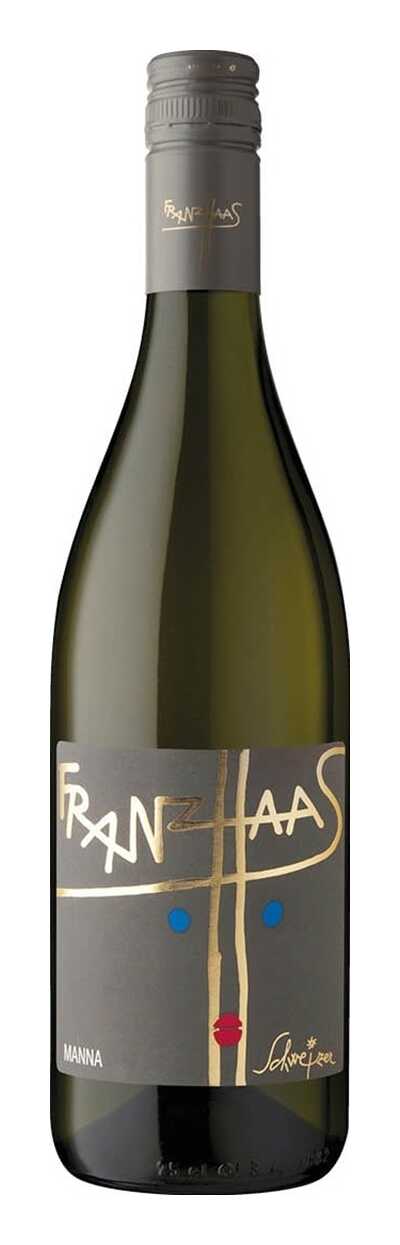
Vigneti delle Dolomiti Bianco MANNA FRANZ HAAS
| Sommelier score | 91/100 | 2026 |

| Winery | FRANZ HAAS |
| Denomination | Vigneti delle Dolomiti Igt |
| Vintage | 2023 |
| Grapes | 40% Riesling Renano, 20% Chardonnay, 15% Gewurztraminer, 15% Kerner, 10% Sauvignon |
| Alcohol content | 13,00% |
| Cl | 75cl |
| Sulfites | Contains sulphites |
| Winery headquarter | FRANZ HAAS - Montagna (BZ) - Via Villa, 6 |
| Bottle size | Standard bottle |
| Combination | Risotto with vegetables, Tuna fillet in pistachios crust, Sushi-sashimi, Spaghetti with clams, Risotto with seafood, Octopus salad, Warm fish appetizers, Smoked Fish appetizers, Mussels, Crustaceans |
| Region | Trentino-Alto Adige (Italy) |
| Style | Light and fresh |
| Wine list | Vigneto delle Dolomiti |
| Dichiarazione Nutrizionale, Ingredienti e Raccolta differenziata | Visualizza le informazioni nutrizionali |
Franz Haas' “Manna” is a complex and original white wine, born as a cuvée of several grape varieties and designed to express not only the territory but also a strong stylistic identity. As for production, it is a blend of different varieties including Riesling, Chardonnay, Traminer aromatico, Sauvignon and other grape varieties grown in South Tyrol. The grapes come from vineyards located in hilly areas with strong temperature variations and very varied soils, elements that contribute to developing aromatic complexity and freshness. After the harvest, the grapes are vinified separately and ferment at a controlled temperature, partly in steel and partly in wood, so as to balance the fragrance and structure. The wine then ages on the fine yeasts for a few months, acquiring greater roundness and depth before final assembly. This approach makes it possible to obtain a wine that is harmonious but at the same time full of nuances.
Characteristics of this South Tyrolean wine
From an organoleptic point of view, Manna has a straw yellow colour with golden reflections. On the nose it is broad and layered, with scents ranging from citrus fruits such as bergamot to fresh and exotic fruit, accompanied by floral notes, aromatic herbs and light mineral and saline nuances. In the mouth it is structured but balanced, supported by a lively acidity and a marked flavour that gives impetus to the sip. The ending is long and persistent, with fruity returns and an overall feeling of elegance and complexity.
Recommended pairings with this Franz Haas wine
This wine lends itself to even elaborate dishes thanks to its structure and complexity. It pairs well with rich first courses, such as pastas or fish-based risottos, but also with more structured preparations such as shellfish, flavorful Mediterranean dishes, or lightly spiced recipes. The ideal service temperature is around 10–12 °C.
![Spumante Millesimato Extra Dry CUVEE PRIMASTILLA [LE MANZANE]](https://data.negoziodelvino.it/imgprodotto/spumante-millesimato-extra-dry-cuvee-primastilla_16109_ico.jpg "Spumante Millesimato Extra Dry CUVEE PRIMASTILLA [LE MANZANE]")