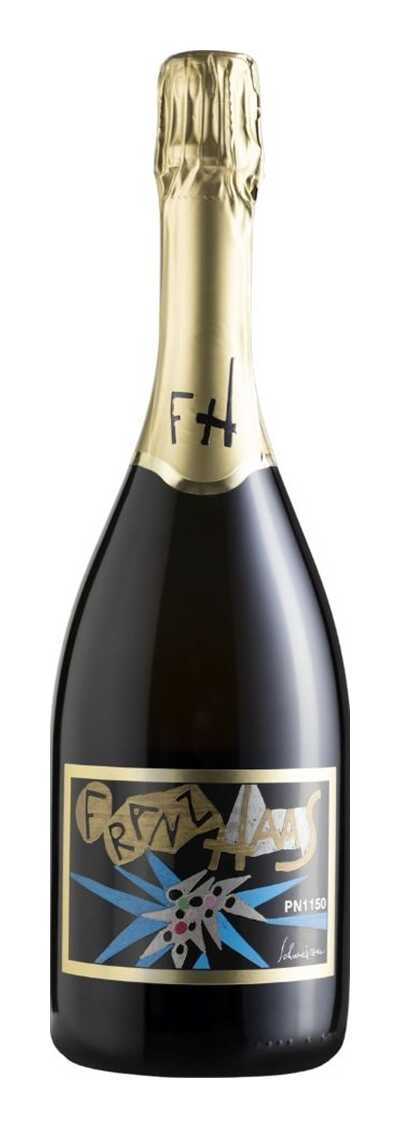
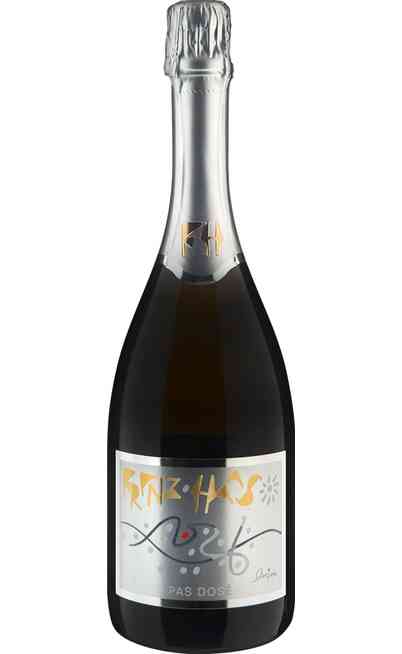
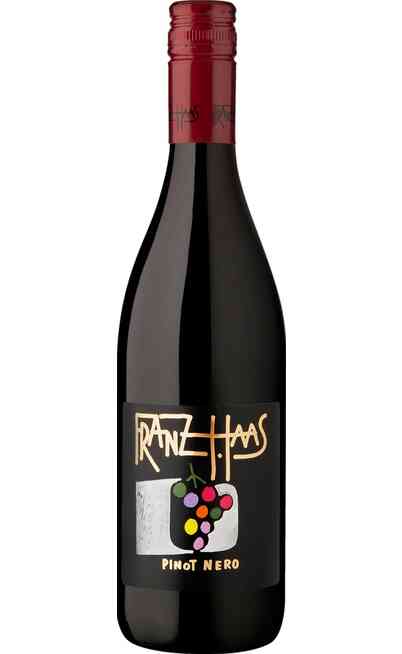
Spumante Metodo Classico PN 1150 FRANZ HAAS
| Sommelier score | 92/100 | 2026 |

| Winery | FRANZ HAAS |
| Denomination | Spumante |
| Grapes | 100% Pinot Nero |
| Alcohol content | 12,50% |
| Cl | 75cl |
| Sulfites | Contains sulphites |
| Winery headquarter | FRANZ HAAS - Montagna (BZ) - Via Villa, 6 |
| Bottle size | Standard bottle |
| Combination | Aperitif, Mussels, Crustaceans, Oysters, Pasta with tuna, Spaghetti with clams, Tartare-fish carpaccio, Octopus salad |
| Region | Trentino-Alto Adige (Italy) |
| Style | Sparkling and fresh |
| Wine list | Spumante |
Franz Haas' PN 1150 is a Classic Method sparkling wine made from carefully selected Pinot Noir grapes. Winemaking follows the traditional method of refermentation in the bottle: after the base wine has been produced, it is enriched with tirage and sent for a second glass fermentation. The wine therefore remains in contact with the yeasts for a long time, for a period of around 1150 days, a characteristic that also defines its name and which contributes decisively to the aromatic complexity and taste structure. At the end of the aging process on the yeasts, we proceed with the riddling, disgorging and the possible addition of the final dosage, which defines the brut style.
Characteristics of this South Tyrolean sparkling wine
It appears bright straw yellow, embellished with an extremely fine and continuous perlage, indicating long maturation on the yeasts. On the nose it expresses itself with great elegance and complexity, opening on notes of white-fleshed fruit and ripe citrus, followed by more evolved hints of bread crust, pastry and a delicate mineral nuance. With oxygenation, calls of dried fruit and light spicy sensations also emerge. In the mouth it is tense and vertical, but at the same time enveloping thanks to its long stay on the yeasts. The acidity is well integrated and supports a creamy and dynamic sip, while the closure is long, savoury and extremely refined.
Recommended pairings with this Franz Haas sparkling wine
ll PN 1150 pairs with great versatility with haute cuisine dishes, especially based on fish and shellfish, where its freshness and complexity find full harmony. It is enhanced with raw seafood, fish tartare, delicate risottos with seafood or citrus fruits, and light, well-balanced white meat preparations. It can also accompany fresh or medium-aged cheeses, as long as they are not too intense. The ideal service temperature is between 6-8°C.
![Terre Siciliane ANGIMBÉ [CUSUMANO]](https://data.negoziodelvino.it/imgprodotto/terre-siciliane-angimbé_16557_ico.jpg "Terre Siciliane ANGIMBÉ [CUSUMANO]")
![Carignano del Sulcis DESÈA DOC CALA DI SETA [CANTINA DI CALASETTA]](https://data.negoziodelvino.it/imgprodotto/carignano-del-sulcis-desèa-doc-cala-di-seta_17195_ico.jpg "Carignano del Sulcis DESÈA DOC CALA DI SETA [CANTINA DI CALASETTA]")
![San Martino della Battaglia OTTOCENTO DOC [PRATELLO]](https://data.negoziodelvino.it/imgprodotto/san-martino-della-battaglia-ottocento-doc_17113_ico.jpg "San Martino della Battaglia OTTOCENTO DOC [PRATELLO]")
![Amarone della Valpolicella Classico CAPITEL DELLA CROSARA DOCG [GIACOMO MONTRESOR]](https://data.negoziodelvino.it/imgprodotto/amarone-della-valpolicella-classico-capitel-della-crosara-docg_17203_ico.jpg "Amarone della Valpolicella Classico CAPITEL DELLA CROSARA DOCG [GIACOMO MONTRESOR]")
![Rosso Salento 1943 DEL FONDATORE [DUE PALME]](https://data.negoziodelvino.it/imgprodotto/rosso-salento-1943-del-fondatore_15936_ico.jpg "Rosso Salento 1943 DEL FONDATORE [DUE PALME]")
![Valtellina Superiore Grumello Riserva BUON CONSIGLIO DOCG [ARPEPE]](https://data.negoziodelvino.it/imgprodotto/valtellina-superiore-grumello-riserva-buon-consiglio-docg_17049_ico.jpg "Valtellina Superiore Grumello Riserva BUON CONSIGLIO DOCG [ARPEPE]")
![AQUA DI VENUS rosé [RUFFINO 1877]](https://data.negoziodelvino.it/imgprodotto/aqua-di-venus-rosé_16810_ico.jpg "AQUA DI VENUS rosé [RUFFINO 1877]")